Proven Ways to Heal Your Gut Naturally
Gut health plays a vital role in overall well-being. Many tend to disregard its value until complications emerge. A comprehensive method can substantially boost gut performance. This includes dietary adjustments and lifestyle changes. Integrating targeted foods and supplements may generate positive effects. Understanding the intricacies of gut health can lead to better choices. The upcoming sections will examine proven methods to improve digestive health and demonstrate how easy changes can create significant impact.
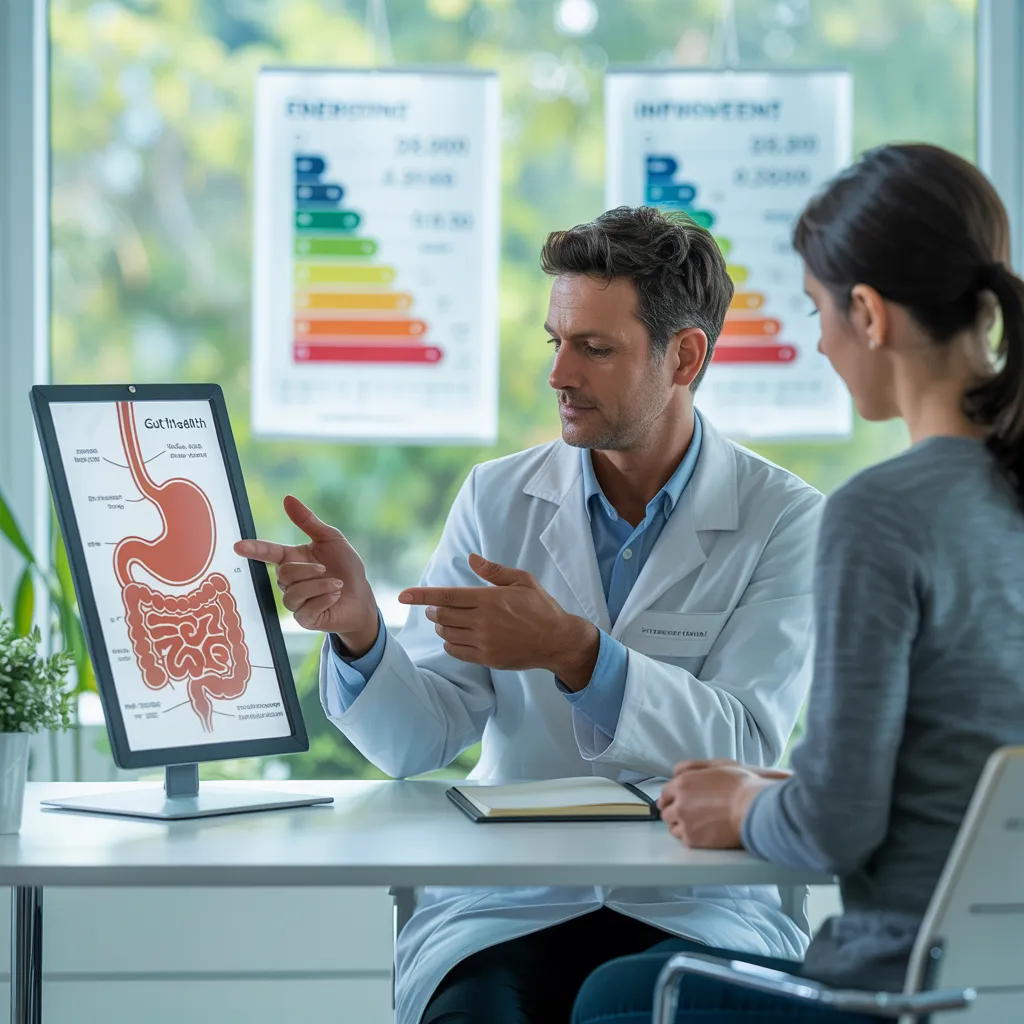
The Importance of Gut Health and Ways to Enhance It
Intestinal health is vital for overall well-being, impacting everything from digestion to immune function. A healthy gut microbiome promotes nutrient absorption, ensuring the body receives crucial vitamins and minerals. Moreover, a healthy gut can minimize inflammation, which serves a critical function in stopping chronic diseases. Evidence suggests that an compromised gut can result in concerns such as anxiety, depression, and autoimmune disorders, highlighting the necessity of maintaining gut health.
Enhancing gut health necessitates a comprehensive approach. Routine physical activity encourages digestive performance and microbiome diversity. Stress management practices, such as mindfulness and yoga, can also beneficially affect gut function. Moreover, adequate hydration is vital for preserving digestive health. It is important to reduce processed foods and excessive sugar intake, as these can upset the gut's natural balance. By embracing these approaches, individuals can foster a healthier gut, ultimately boosting their overall health and quality of life.
Important Nutritional Options for Intestinal Health
Maintaining a balanced diet is crucial for supporting gut health, as particular foods can support the microbiome and enhance digestive function. Foods containing abundant fiber, such as fruits, vegetables, and whole grains, are crucial for maintaining digestive health. They provide the necessary bulk to help move food through the digestive tract and nourish helpful gut bacteria.
Fermented foods, such as yogurt, kefir, sauerkraut, and kimchi, also contribute to gut health by providing beneficial microorganisms. These foods maintain a balanced gut flora, which is vital for optimal digestive processes. Furthermore, healthy fats, such as those contained in avocados, nuts, and olive oil, can strengthen the gut lining, promoting overall gut integrity.
Adding these important foods can support a robust microbiome, thereby resulting in better digestion and overall well-being. Emphasizing these dietary choices creates a strong foundation for a healthy gut.
How Probiotics and Prebiotics Aid Your Digestive System
Many research studies highlight the essential role of probiotics and prebiotics in promoting gut health. Probiotics are live microorganisms guide that bestow health benefits when consumed in proper amounts. They help reinstate the gut microbiota balance, which can be upset by factors such as poor diet, stress, and antibiotics. By elevating the population of beneficial bacteria, probiotics can improve digestion, improve immunity, and diminish inflammation.
Prebiotics, on the other hand, are non-digestible fibers that function as food for these helpful bacteria. They stimulate the growth and activity of probiotics, further supporting a healthy gut environment. This partnership between probiotics and prebiotics helps enhance the absorption of nutrients and can ease gastrointestinal issues such as gas and constipation. Together, they create a healthy intestinal microbiome, which is essential for total health and wellness. Adding both into one's diet can greatly contribute to upholding ideal gut health.
Lifestyle Adjustments to Boost Gut Health
Preserving a well-balanced gut microbiome involves not only probiotics and prebiotics; lifestyle alterations also play a significant role in supporting gut health. Regular physical activity can enhance gut motility and promote a diverse microbiome, while proper sleep is essential for overall health and immune function. Stress management techniques, such as mindfulness or yoga, can also positively impact gut health by minimizing inflammation and promoting a healthy gut-brain communication.
In addition, hydration is essential, as water facilitates digestion and nutrient absorption. Limiting processed foods and sugar can help prevent imbalances in gut bacteria, while incorporating a variety of whole foods provides a rich intake of nutrients and fiber. Lastly, avoiding excessive alcohol consumption and smoking can preserve gut integrity. Combined, these lifestyle changes foster a healthier gut, boosting digestion, immunity, and overall vitality.
Leading Natural Remedies and Proven Supplements to Restore Your Gut
In investigating approaches to improve digestive wellness, people can evaluate the benefits of foods high in probiotics along with herbal remedies. These wholesome approaches, combined with gut-friendly lifestyle tips, can greatly enhance gut wellness. Grasping their purposes presents a thorough approach to maintaining a balanced gut ecosystem.
Foods High in Probiotics
Though countless people search for practical approaches to boost their intestinal health, including probiotic-filled foods in their nutrition plans proves to be a wholesome and valuable strategy. Probiotics, living beneficial bacteria that support a balanced digestive ecosystem, can be found in various foods. Miso, sauerkraut, yogurt, kefir, and kimchi serve as exceptional sources of these advantageous cultures. Frequent eating of these products can aid in rebuilding intestinal bacterial harmony, enhance digestive processes, and support immune function. Moreover, probiotic foods can boost nutrient assimilation and minimize intestinal swelling. For those looking to increase their probiotic intake, including a variety of these foods in daily meals can make a significant difference in total intestinal health and quality of life.
Benefits of Herbal Supplements
A variety of herbal supplements present strong benefits for gut health, providing a natural pathway for those seeking to heal and optimize their digestive systems. Ingredients including ginger, peppermint, and turmeric possess anti-inflammatory properties that can ease the digestive tract and relieve discomfort. Aloe vera, recognized for its healing characteristics, may support reducing gut inflammation and promoting regularity. Additionally, slippery elm has been observed to coat the digestive lining, giving relief from irritation. Chamomile is another beneficial herb, often used to ease the digestive muscles and decrease bloating. Introducing these herbal supplements into one's routine may support gut flora balance and support overall digestive health, making them crucial allies in the search for improved gut function.
Lifestyle Tips for a Healthy Gut
A gut-friendly lifestyle can considerably enhance digestive health and overall well-being. Incorporating a balanced diet loaded with fiber, prebiotics, and probiotics is essential. Foods for instance yogurt, kefir, sauerkraut, and whole grains foster healthy gut flora. Remaining hydrated is equally important, as water facilitates digestion and nutrient absorption. Regular physical activity, for instance walking or yoga, can stimulate gut motility and lower stress, which is beneficial for gut function. Moreover, avoiding processed foods, excessive sugar, and artificial additives assists in preserving a balanced microbiome. Attentive eating behaviors, including chewing food thoroughly and avoiding distractions during meals, can enhance digestion. Finally, quality sleep is essential, as it allows the body to heal and restore, maintaining overall gut health.
Signals Your Gut Health Is Getting Better
Improved gut health frequently shows itself through visible changes in total well-being. Individuals may notice higher energy levels, which can contribute to improved productivity and better mood regulation. A reduction in digestive issues, such as bloating and gas, typically suggests a healthier gut. Regular bowel movements that are properly formed and consistent represent another indicator of improvement.
Moreover, dermal health can display notable advantages; conditions for example acne or eczema might reduce as intestinal bacteria equilibrium returns. Boosted immunity is also a common marker; reduced illnesses and more rapid recovery times suggest a robust gut microbiome. Lastly, improved mental clarity and lessened anxiety can reflect a positive gut-brain connection, demonstrating that gut health is improving. These indicators jointly validate that a dedication to promoting gut health is delivering measurable, advantageous results.
FAQ
Is My Gut Health Affected by Stress?
Indeed, stress has a substantial effect on gut health. It might interfere with the balance of gut bacteria, causing digestive complications and inflammation. Prolonged stress also compromises gut function, potentially worsening existing gut-related conditions and symptoms.
How Long Does It Take to Heal My Gut?
The process of healing the gut may vary greatly, often demanding between a few weeks to several months. Elements affecting this timeline include nutrition, lifestyle, personal health status, and regular application of beneficial practices for gut health.
Are There Certain Diets Designed for Gut Healing?
Certain dietary approaches for gut healing commonly incorporate Mediterranean, low FODMAP, and elimination diets. These approaches prioritize lowering inflammation, optimizing gut bacteria, and avoiding irritants, thereby enhancing intestinal wellness and total health.
Is It Safe to Take Supplements Long-Term?
Supplements can be safely taken long-term by many people, provided they receive advice from healthcare professionals. Nevertheless, possible risks involve nutrient imbalances or adverse reactions, making regular monitoring and modifications essential for optimal health.
What Should I Avoid for Better Gut Health?
To encourage better gut health, it's important to avoid highly processed foods, excessive sugar, artificial sweeteners, and trans fats. Furthermore, limiting alcohol consumption and minimizing stress can greatly improve overall digestive well-being.