Reliable Techniques to Restore Gut Health Naturally
The health of your gut plays an essential role in overall wellness. Many tend to disregard its value until complications emerge. An integrated strategy can significantly enhance digestive function. This includes dietary adjustments and lifestyle changes. Integrating targeted foods and supplements may generate positive effects. Learning the details of intestinal health can prompt wiser decisions. The next parts will investigate successful approaches to boost gut health and show how basic modifications can produce substantial results.
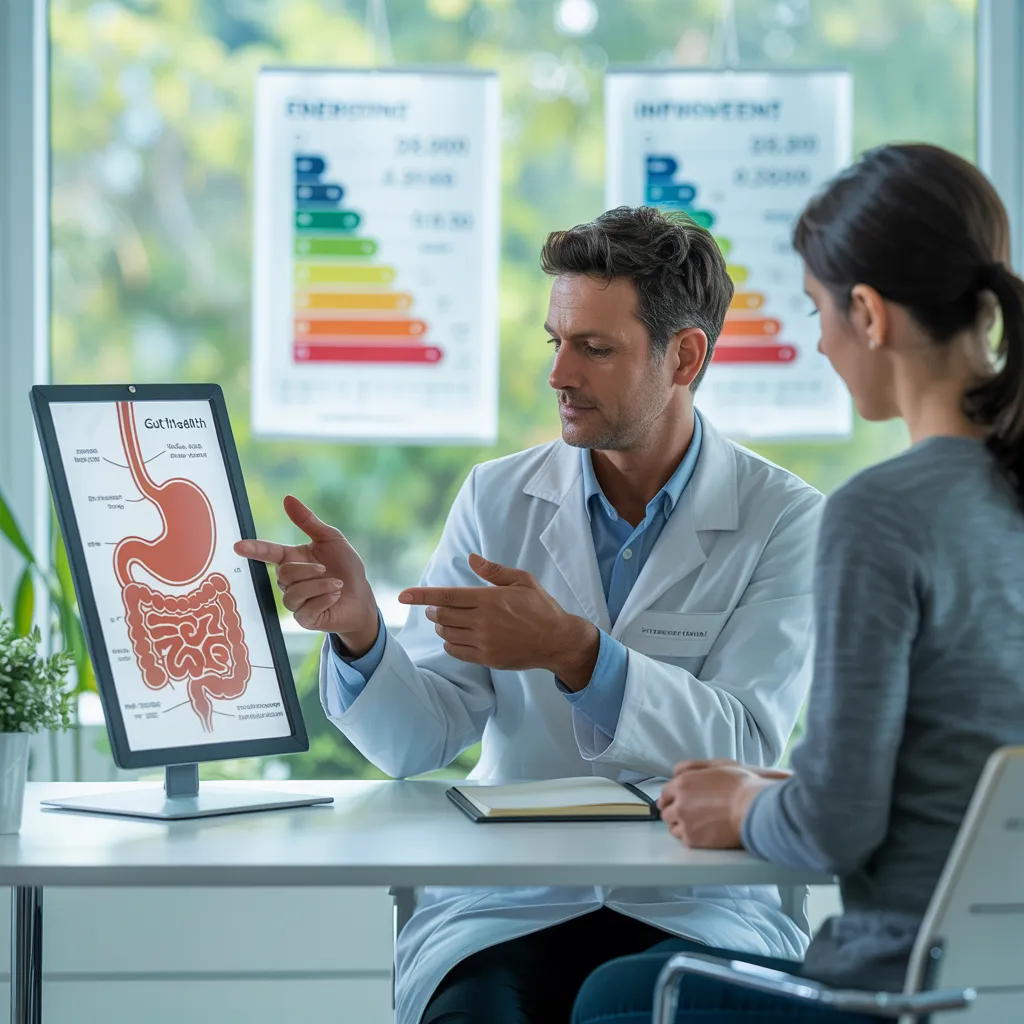
Understanding Gut Health: Why It's Important and How to Boost It
Gut health is crucial for complete well-being, affecting everything from digestion to immune function. A healthy gut microbiome supports nutrient absorption, confirming the body obtains crucial vitamins and minerals. In addition, a healthy gut can decrease inflammation, which plays an essential role in avoiding chronic diseases. Evidence suggests that an disrupted gut can cause problems such as anxiety, depression, and autoimmune disorders, demonstrating the importance of maintaining gut health.
Enhancing gut health demands a comprehensive approach. Consistent physical activity encourages digestive performance and microbiome diversity. Stress management techniques, such as mindfulness and yoga, can also favorably influence gut function. Moreover, adequate hydration is vital for preserving digestive health. It is essential to reduce processed foods and excessive sugar intake, as these can disturb the gut's natural balance. By implementing these practices, individuals can cultivate a healthier gut, ultimately improving their overall health and quality of life.
Vital Dietary Choices for Intestinal Health
Maintaining a balanced diet is crucial for supporting gut health, as certain foods can nourish the microbiome and promote digestive function. Fiber-rich foods, such as fruits, vegetables, and whole grains, are important for supporting optimal digestion. They provide the necessary bulk to help move food through the digestive tract and support beneficial intestinal bacteria.
Fermented foods, like yogurt, kefir, sauerkraut, and kimchi, also contribute to gut health by introducing beneficial microorganisms. These products maintain a balanced gut flora, which is essential for ideal digestive processes. Moreover, healthy fats, such as those present in avocados, nuts, and olive oil, can support the gut lining, improving overall gut integrity.
Incorporating these vital foods can promote a flourishing microbiome, ultimately resulting in optimized digestion and general well-being. Focusing on these dietary choices lays a strong foundation for a healthy gut.
How Do Probiotics and Prebiotics Support Your Gut?
Multiple scientific studies reveal the crucial role of probiotics and prebiotics in promoting gut health. Probiotics are live microorganisms that offer health benefits when consumed in proper amounts. They help rebuild the gut microbiota balance, which can be imbalanced by factors such as suboptimal diet, stress, and antibiotics. By boosting the population of beneficial bacteria, probiotics can better digestion, enhance immunity, and decrease inflammation.
In contrast, prebiotics are fiber compounds that cannot be digested that work as sustenance for these beneficial bacteria. They stimulate the proliferation and activity of probiotics, additionally supporting a thriving digestive environment. This synergy between probiotics and prebiotics works to boost nutritional uptake and can reduce gut-related issues such as gas and constipation. Together, they build a well-balanced digestive microbiome, which is crucial for overall health and well-being. Adding both into one's diet can greatly contribute to maintaining optimal digestive health.
Lifestyle Modifications to Improve Gut Health
Sustaining a well-balanced gut microbiome entails more than just probiotics and prebiotics; lifestyle alterations also play a significant role in supporting gut health. Regular physical activity can improve gut motility and promote a rich microbiome, while sufficient sleep is crucial for general health and immune function. Stress management techniques, such as mindfulness or yoga, can also positively impact gut health by lowering inflammation and promoting a healthy gut-brain link.
Moreover, hydration is vital, as water assists digestion and nutrient absorption. Reducing processed foods and sugar can help avoid imbalances in gut bacteria, while integrating a variety of whole foods ensures a rich intake of nutrients and fiber. Finally, steering clear of excessive alcohol consumption and smoking can protect gut integrity. Collectively, these lifestyle adjustments promote a healthier gut, improving digestion, immunity, and overall vitality.
Top Natural Remedies and Proven Supplements to Restore Your Gut
In investigating approaches to improve digestive wellness, people can evaluate the benefits of probiotic-rich foods and herbal supplements. These wholesome approaches, together with gut-friendly lifestyle tips, can remarkably strengthen gastrointestinal health. Grasping their purposes presents a holistic pathway to sustaining a well-balanced intestinal environment.
Foods High in Probiotics
While many people seek effective ways to enhance their gut health, incorporating probiotic-rich foods into their diets stands out as a natural and beneficial approach. Probiotics, active cultures that foster a thriving intestinal environment, exist in multiple dietary options. Miso, sauerkraut, yogurt, kefir, and kimchi serve as exceptional sources of these advantageous cultures. Consistent intake of these items may assist in reestablishing digestive microbiome equilibrium, enhance digestive processes, and strengthen immune system performance. Moreover, probiotic foods can boost nutrient assimilation and minimize intestinal swelling. For those looking to increase their probiotic intake, adding multiple types of these foods to regular diet routines can produce a notable improvement in overall gut health and well-being.
Benefits of Herbal Supplements
Many herbal supplements present remarkable benefits for gut health, presenting a natural approach for those wanting to heal and optimize their digestive systems. Ingredients including ginger, peppermint, and turmeric demonstrate anti-inflammatory properties that can calm the digestive tract and minimize discomfort. Aloe vera, noted for its healing properties, may assist in reducing gut inflammation and promoting regularity. Additionally, slippery elm has been found to coat the digestive lining, offering relief from irritation. Chamomile is another valuable herb, often used to ease the digestive muscles and lessen bloating. Introducing these herbal supplements into an individual's routine may support gut flora balance and support overall digestive health, making them essential allies in the journey for improved gut function.
Lifestyle Tips for a Healthy Gut
A gut-focused way of living can substantially boost digestive health and overall well-being. Including a balanced diet high in fiber, prebiotics, and probiotics is fundamental. Foods for instance yogurt, kefir, sauerkraut, and whole grains foster healthy gut flora. Remaining hydrated is equally important, as water supports digestion and nutrient absorption. Regular physical activity, like walking or yoga, can enhance gut motility and lower stress, which is helpful for gut function. In addition, avoiding processed foods, excessive sugar, and artificial additives helps preserving a balanced microbiome. Mindful eating practices, including chewing food thoroughly and avoiding distractions during meals, can boost digestion. Ultimately, quality sleep is crucial, as it allows the body to mend and revitalize, supporting overall gut health.
Signs Your Gut Health Is Getting Better
Better gut health commonly appears through visible changes in total well-being. Those may notice higher energy levels, which can contribute to better productivity and improved mood regulation. A decline in digestive issues, such as bloating and gas, typically signals a healthier gut. Regular bowel movements that are solid and consistent act as another sign of improvement.
Additionally, dermal health can display considerable advantages; conditions for example acne or eczema may diminish as gut microbiota harmony is reestablished. Boosted immunity is equally a prevalent marker; less frequent illnesses and quicker recovery times reflect a robust gut microbiome. Finally, better mental clarity and diminished anxiety could signify a positive gut-brain connection, demonstrating that gut health is being restored. These signs together validate that a commitment to promoting gut health is producing tangible, positive results.
Common Questions
Can Stress Affect My Gut Health?
Yes, stress can greatly affect gut health. It may upset the balance of gut bacteria, prompting digestive issues and inflammation. Persistent stress also weakens gut function, potentially worsening pre-existing gut-related conditions and symptoms.
How Much Time Does It Take to Heal My Gut?
Gut healing can differ significantly, typically requiring roughly a related content few weeks to several months. Variables impacting this timeline include nutrition, lifestyle, specific medical conditions, and regular application of beneficial practices for gut health.
Are There Particular Diets That Help Heal the Gut?
Certain dietary approaches for gut healing commonly incorporate Mediterranean, low FODMAP, and elimination diets. Such approaches prioritize lowering inflammation, restoring gut bacteria, and avoiding irritants, eventually supporting digestive wellness and holistic health.
Is Taking Supplements Long-Term Safe?
Taking supplements long-term can be safe for many individuals, provided they consult healthcare professionals. That said, risks such as nutrient imbalances or undesirable side effects may occur, requiring consistent monitoring and adjustments for best health outcomes.
What Should I Stay Away From for Improved Gut Health?
To encourage better gut health, individuals should avoid processed foods, excessive sugar, artificial sweeteners, and trans fats. Moreover, reducing alcohol consumption and decreasing stress can greatly contribute to overall digestive well-being.