Berberine Explained: What It Is and How It Functions
Berberine functions as a bioactive compound sourced from several plants, like Goldenseal and Barberry, valued for its traditional medicinal history. Its main mechanism involves activating AMPK, an essential regulator of cellular energy. This activation leads to several metabolic benefits. Nevertheless, the underlying mechanisms of these effects and their health implications stay intricate and require additional investigation. What does this actually indicate for those aiming to boost their metabolic health?
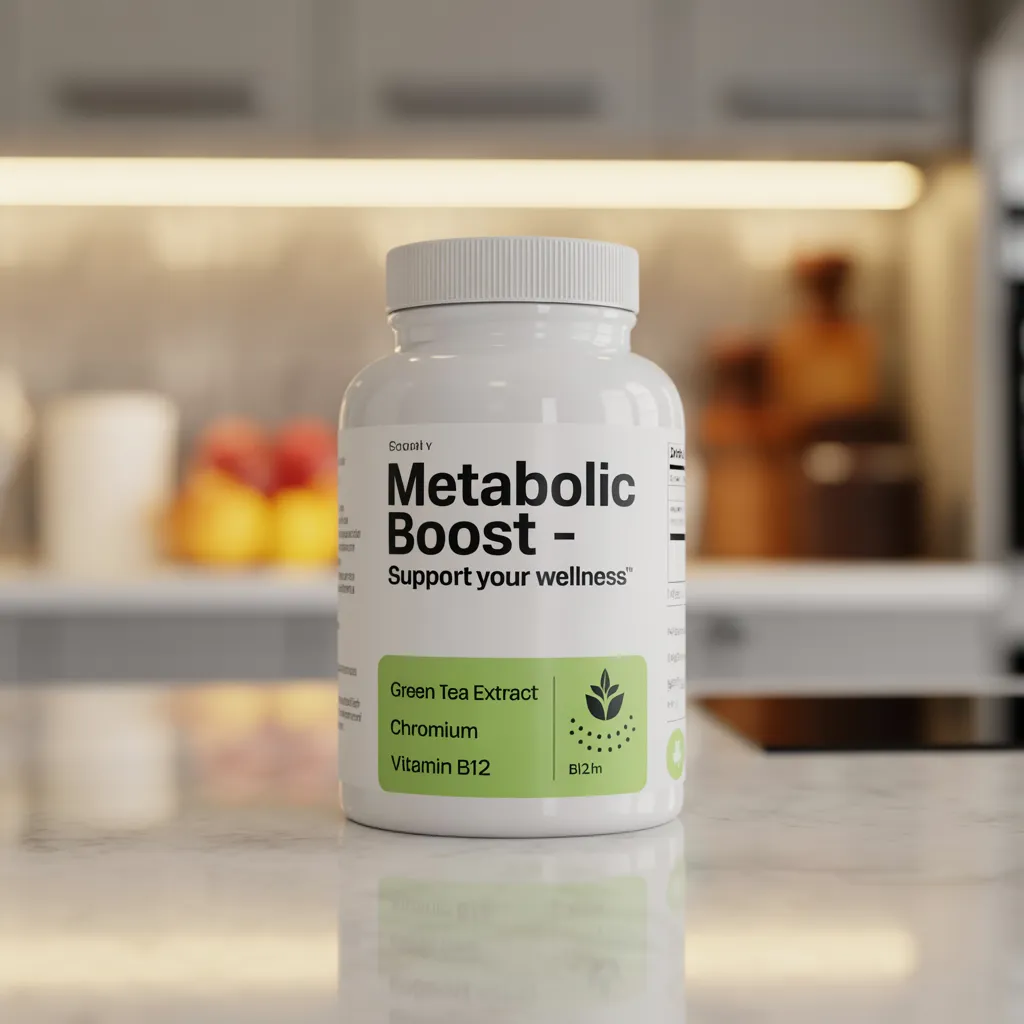
The History Behind Berberine
Berberine, a naturally occurring bioactive compound present in various plants, possesses an extensive historical foundation grounded in traditional healing practices. It has been utilized for centuries, particularly in ancient Chinese and Ayurvedic practices, where it was revered for its therapeutic properties. The compound is primarily extracted from the roots and bark of plants such as Goldenseal and Barberry. Historical texts document its use in treating various ailments, including infections, digestive issues, and inflammatory conditions. Moreover, it has occupied a prominent position in cultural traditions, commonly linked to detoxification and restorative practices. As interest in natural remedies has surged in modern times, berberine has gained attention for its potential health benefits, bridging the gap between ancient wisdom and contemporary health practices.
The Way Berberine Works in the Body
Serving as an effective modulator, berberine impacts several biochemical pathways in the body to support health. It chiefly exercises its effects by activating an enzyme identified as AMP-activated protein kinase (AMPK), which plays an essential role in cellular energy regulation. This activation brings about improved glucose metabolism and improved fat oxidation. In addition, berberine has been shown to impact the gut microbiota, fostering a healthier balance of beneficial bacteria. It also exhibits anti-inflammatory properties by regulating cytokine production, thus reducing chronic inflammation. Moreover, berberine can impact lipid metabolism, helping achieve lower cholesterol and triglyceride levels. Overall, its complex mechanisms of action underscore berberine's important role in maintaining metabolic health and homeostasis within the body.
Medical Benefits of Berberine
Berberine has attracted interest for its potential health benefits, specifically in glucose control and its inflammation-reducing properties. Research demonstrates that it may assist in reducing glucose levels and boost insulin sensitivity, making it a valuable ally for those handling diabetes. Additionally, its ability to reduce inflammation could support overall health and wellness.
Blood Glucose Regulation
How does a natural compound like berberine significantly affect blood sugar levels? Studies show that berberine enhances insulin sensitivity, which permits cells to more effectively use glucose. This process finally assists in lowering blood sugar levels, making it advantageous for individuals with type 2 diabetes. Furthermore, berberine has been proven to decrease glucose production in the liver, thereby contributing to its blood sugar-regulating properties. Studies suggest that taking berberine can produce significant reductions in fasting blood glucose and HbA1c levels, markers essential for assessing long-term blood sugar control. Furthermore, its ability to modulate gut microbiota may also help with improving metabolic health. Overall, berberine offers a promising natural solution for managing blood sugar levels effectively.
Anti-Inflammatory Effects
Scientific evidence reveals that berberine's advantages extend beyond blood sugar control, with notable anti-inflammatory benefits contributing to overall health. Evidence suggests that berberine can reduce the production of pro-inflammatory cytokines, which play a crucial role in the inflammatory response. By minimizing inflammation, berberine may help relieve symptoms associated with chronic inflammatory conditions, such as arthritis and cardiovascular diseases. Moreover, its antioxidant properties further enhance its anti-inflammatory capabilities, protecting cells from oxidative stress. This multi-dimensional approach not only promotes a healthier immune system but also enhances better metabolic function. Consequently, incorporating berberine into a wellness regimen may deliver a natural strategy for managing inflammation and improving overall health outcomes.
Berberine and Blood Sugar Management
When individuals search for natural alternatives for maintaining blood sugar levels, berberine has appeared as a promising compound. Scientific evidence demonstrates that berberine may assist in reducing blood glucose levels through several mechanisms. It is considered to enhance insulin sensitivity, allowing cells to process glucose more effectively. Moreover, berberine may block glucose production in the liver, additionally contributing to its blood sugar-lowering effects. Studies have shown that berberine supplementation can lead to substantial reductions in fasting blood sugar and HbA1c levels, markers commonly used to evaluate long-term glucose control. Additionally, its potential to beneficially affect gut microbiota may also play a role in maintaining metabolic health. On the whole, berberine's varied approach places it as an important option for those handling blood sugar concerns.
Possible Side Effects and Important Considerations
While berberine provides numerous health advantages, it is vital to assess its potential side effects and individual responses. Users could experience gastrointestinal problems, such as diarrhea, constipation, or stomach cramps, specifically when starting supplementation. Additionally, berberine can interact with specific medications, specifically those affecting blood sugar levels or liver enzymes, requiring caution and consultation with healthcare providers. Pregnant or nursing individuals should avoid berberine due to inadequate safety data. Moreover, extended effects of berberine supplementation remain unknown, warranting thorough consideration of dosage and duration. Individuals with existing health conditions must discuss usage with a medical practitioner to guarantee safe integration. In summary, understanding these considerations can aid in making informed decisions regarding berberine supplementation.
Adding Berberine Within Your Wellness Regimen
Including berberine into a wellness routine requires thoughtful consideration of proper dosage and potential dietary sources. Understanding the recommended daily intake can enable individuals enhance its benefits while minimizing risks. Furthermore, exploring natural food sources high in berberine can enhance overall health.
Recommended Dosing
When evaluating berberine as a supplement, grasping the appropriate dosage is crucial for increasing its potential health benefits. Typically, the recommended dosage of berberine extends from 900 to 2,000 milligrams per day, distributed into several doses to enhance absorption. It is suggested to start with a lower dose, such as 500 milligrams, to assess tolerance before gradually increasing to the desired amount. Consistency is essential, as taking berberine with meals may boost its performance and lessen gastrointestinal side effects. Individuals should consult healthcare professionals before initiating berberine supplementation, especially if they are pregnant, breastfeeding, or taking medications, to verify safe and effective use in their wellness routine.
Diet-Based Sources
For those looking to incorporate berberine into their wellness routine beyond supplementation, it is important to explore natural dietary sources that contain this advantageous compound. Berberine is primarily found in several plants, including the bark of the Phellodendron amurense tree and the roots of Hydrastis canadensis, generally known as goldenseal. Additional sources include the Chinese herb Coptis chinensis and the Oregon grape, which features berberine in its roots and stems. While these plants are not typically consumed in large quantities, incorporating herbal teas or tinctures extracted from them may help enhance berberine intake. Furthermore, some dietary supplements combine these herbal sources, providing an alternative approach essential resource for those seeking to gain from berberine's properties through natural food sources and herbal preparations.
Questions and Answers
Can Berberine Be Combined With Other Supplements or Medications?
Berberine can be taken with additional supplements or medications, but care should be taken. It might interact with particular drugs, so conferring with a healthcare professional in advance of combining it with other therapies is recommended for safety.
What Is the Recommended Dosage of Berberine for Beginners?
For those new to berberine, a suggested dosage of berberine typically ranges from 500-1,500 milligrams per day, split into 2-3 doses. Speaking with a healthcare professional is recommended to establish the appropriate dosage customized for individual needs.
Are There Any Food Restrictions When Taking Berberine?
While using berberine, there are no strict dietary restrictions; however, users should aim to maintain a well-balanced diet and watch their carbohydrate levels, as it may affect blood sugar levels in some cases.
How Long Does It Take to See Results From Berberine?
Generally, users may begin seeing results from berberine within 4-8 weeks of continuous use. Aspects such as dosage, personal health circumstances, and lifestyle can influence the timeline for experiencing visible effects.
Is Berberine Safe for Pregnant or Breastfeeding Women?
Berberine is usually not suggested for women who are pregnant or breastfeeding owing to limited safety research. Speaking with a medical expert is crucial before considering its use during pregnancy or lactation to safeguard both maternal and infant wellbeing.